Digital Illusions: The Future of High-Tech Magic for Dubai Events
Discover how digital illusions are transforming Dubai events. Learn to use high-tech magic for brand activations and create an unforgettable corporate experi...
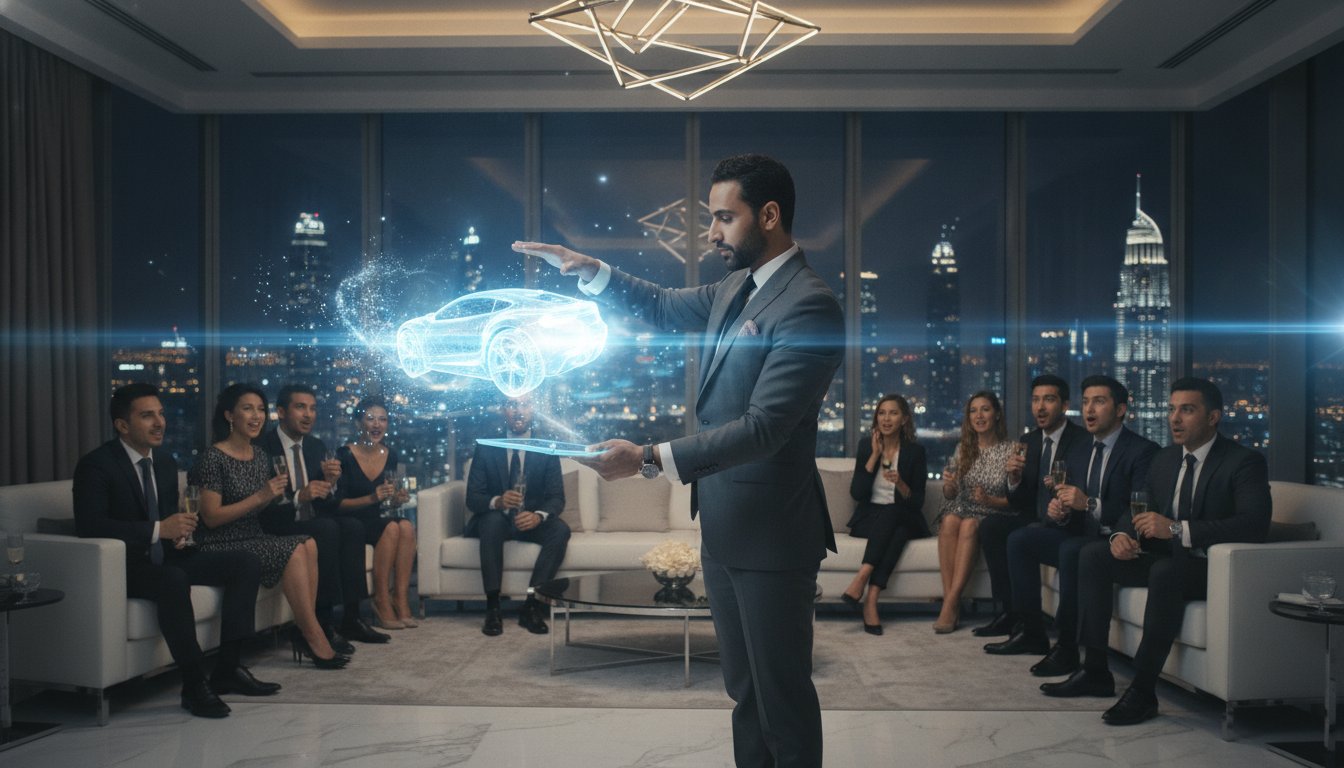
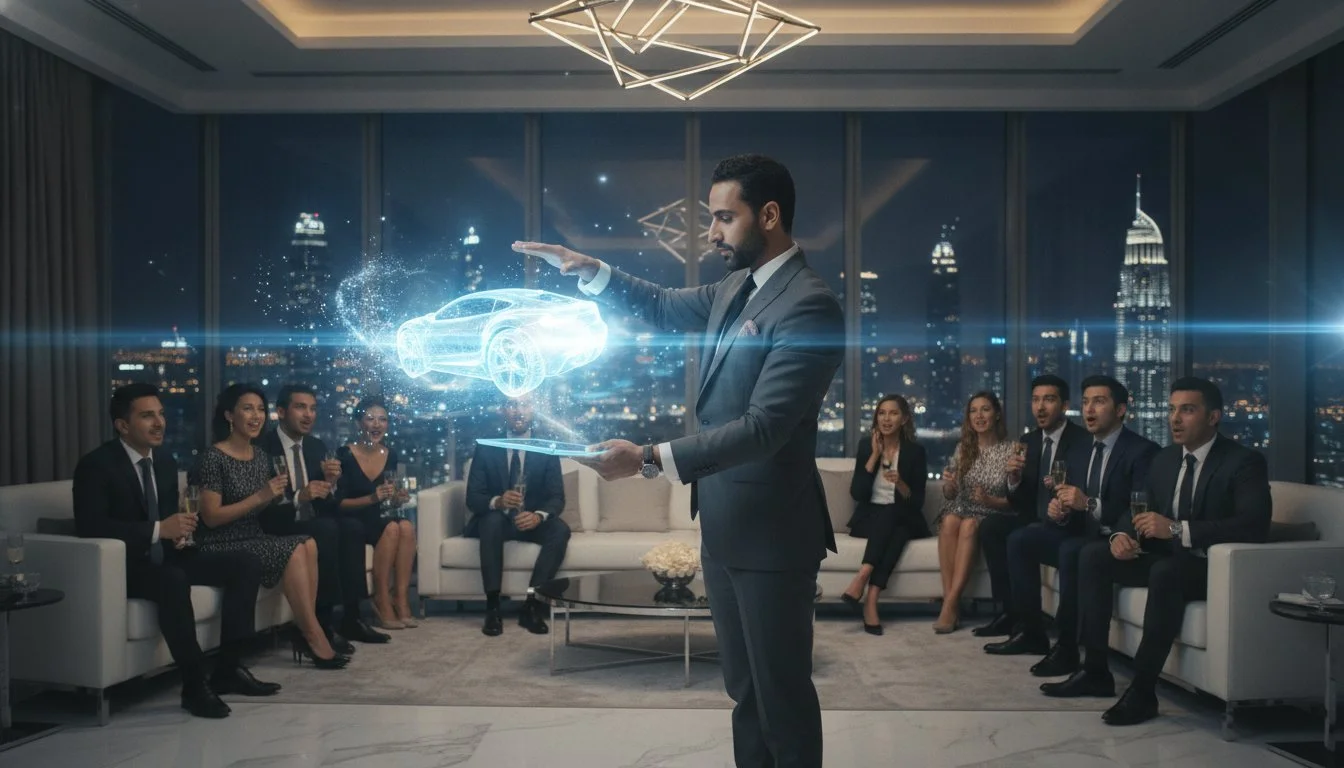
What if your brand's next product launch didn't just sit on a pedestal, but materialized directly out of a thin glass screen? In a city like Dubai, where innovation is the baseline, traditional entertainment often feels outdated or even a bit cheesy for a tech-savvy crowd. You've likely seen the standard "pick a card" routines a hundred times, and you know your audience has too. This is where digital illusions change the game, bridging the gap between physical reality and high-tech storytelling.
You'll discover how digital illusions are transforming modern entertainment and how to leverage tech-magic to captivate audiences at your next high-profile event. We'll explore actionable ideas for brand activations and clarify the specific technical requirements for iPad magic in large venues. This guide provides a clear understanding of how these performances work, giving you the confidence to book an elite specialist who can turn a standard corporate gathering into an unforgettable digital experience.
Key Takeaways
- Learn how digital illusions merge traditional sleight of hand with modern devices to create a sophisticated entertainment experience for tech-savvy audiences.
- Discover how to utilize iPad magic as a strategic tool for increasing booth traffic and brand engagement at major Dubai trade shows.
- Identify the critical technical logistics, such as screen mirroring and network stability, required to execute a seamless digital performance.
- Explore the benefits of customizing digital tricks to incorporate specific brand logos or product features for a personalized event activation.
- Understand how a blend of mentalism and high-tech magic provides a modern, "cheese-free" solution for luxury corporate gatherings in the UAE.
What are Digital Illusions? Redefining Magic for the 21st Century
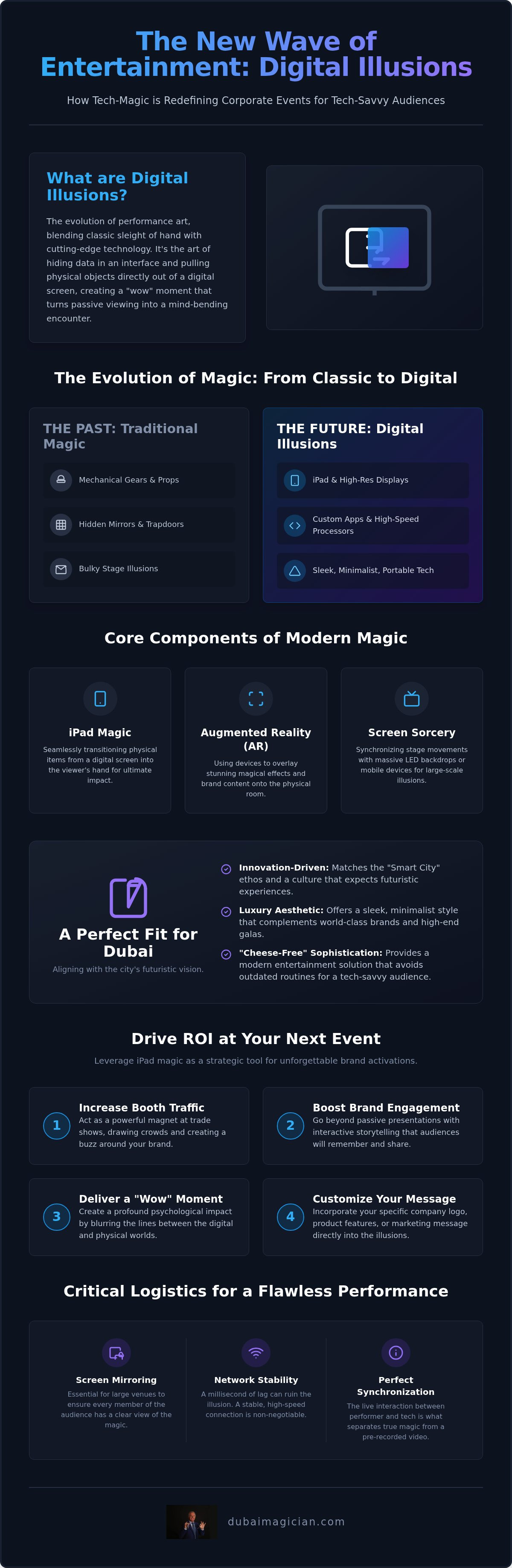
Digital illusions represent the evolution of performance art, moving away from sawdust and velvet curtains toward pixels and high-definition displays. While some might recognize the term from the gaming industry, for event planners, it signifies a sophisticated blend of classic sleight of hand and cutting-edge technology. It's the practice of Redefining Magic for the 21st Century. Instead of hiding a bird in a sleeve, the modern illusionist hides data in an interface, pulling physical objects directly out of a digital screen.
The core of this craft involves several high-tech elements:
- iPad magic: Seamlessly transitioning items from a screen into the viewer's hand.
- Augmented Reality (AR): Using devices to overlay magical effects onto the physical room.
- Screen-based sorcery: Synchronizing stage movements with massive LED backdrops or mobile devices.
The psychological impact of these performances is profound. When a viewer watches a digital icon turn into a tangible product, the brain struggles to reconcile the transition. This creates a "wow" moment that sticks with an audience far longer than a standard video presentation. It turns a passive viewing experience into an active, mind-bending encounter with digital illusions that feel impossible yet tangible.
The Difference Between Tech-Magic and Screen Graphics
Interaction is the defining factor that separates a true digital illusion from a simple video trick. Anyone can record a video of an object appearing, but a live performance requires perfect tactile synchronization. The illusionist's timing must be flawless; a millisecond of lag ruins the effect. It's not just about the graphics on the screen. It's about the physical interaction between the performer, the technology, and the audience. This live element ensures the performance feels authentic rather than pre-recorded or cheesy.
Why Digital Magic Resonates with Dubai Audiences
Dubai stands as a global beacon for innovation and the "Smart City" vision. Audiences here aren't just tech-savvy; they expect the future to be part of their daily lives. For high-end galas and corporate launches, traditional magic can sometimes feel out of place. Digital magic aligns with the luxury aesthetic of the UAE, offering a sleek, minimalist style that fits perfectly alongside world-class brands. It speaks the language of the city, turning a corporate message into a futuristic spectacle that feels right at home in world-famous venues.
The Evolution of Magic: From Sleight of Hand to iPad Sorcery
Magic hasn't changed its core purpose since the days of ancient street performers, but the tools certainly have. Where 19th-century illusionists relied on mechanical gears, hidden mirrors, and trapdoors, the modern performer utilizes high-speed processors and high-resolution displays. This shift from physical props to digital interfaces has redefined what audiences consider "impossible." We've moved away from the era of bulky stage boxes and toward an age of sleek, portable technology.
This evolution is characterized by several key shifts:
- A transition from mechanical gears to high-speed processors.
- Replacing hidden mirrors with high-resolution digital displays.
- The move from massive stage illusions to intimate, digital close-up magic.
The iPad has effectively become the 21st-century magician's top hat. It offers a level of versatility that traditional props simply can't match. A single tablet can house hundreds of different digital illusions, each one customizable to a specific event or brand. This evolution isn't just about the hardware; it's about the software. Modern magic design often involves as much coding as it does sleight of hand. Developers and magicians work together to create custom apps that respond to touch, tilt, and proximity, ensuring every interaction feels organic and magical.
IPad Magic: The Leading Edge of Digital Illusions
The hallmark of a modern performance is the ability to bridge the gap between the virtual and the physical. Imagine reaching into a screen to pull out a real, solid object, like a company's newest product or a branded gift. This specific style of digital illusions is highly effective for corporate storytelling. It allows brands to showcase digital features before physically "materializing" the product for the audience. For those looking to elevate their next event, booking a specialist iPad magician for hire ensures that the technology remains a highlight rather than a gimmick.
Interactive Tech: AR and Mentalism in the Digital Age
Modern technology doesn't just display magic; it facilitates it. By using augmented reality (AR) and smartphones, a performer can engage an entire room of hundreds of people simultaneously. This is particularly powerful when combined with a mentalist UAE performance. Digital tools can capture thoughts or choices from every guest's phone, leading to a collective reveal that feels both personal and massive in scale. Looking ahead, the integration of AI-driven magic and holographic projections will likely push these boundaries even further. To see how these high-tech concepts come to life in real-world venues, you can view recent performance highlights online.
How Digital Illusions Drive ROI at Dubai Trade Shows and Launches
At massive venues like the Dubai World Trade Centre (DWTC), the competition for visitor attention is fierce. Traditional booths often blend together, but digital illusions provide a "Stop and Wonder" effect that physically halts foot traffic. It's about more than just entertainment; it's a strategic tool for increasing booth engagement. When a performer pulls a physical key out of a digital tablet, they create an immediate crowd that sales teams can then engage. This curiosity creates a natural opening for a sales pitch that would otherwise feel intrusive.
ROI is measured in more than just smiles. These performances naturally facilitate lead generation. A magician might ask a prospect to enter their details into an app to "unlock" a digital secret, turning a standard data collection form into a memorable interaction. This approach creates high-quality leads who associate the brand with innovation and surprise. Additionally, these moments are highly "Instagrammable." Guests frequently film these interactions, providing organic social media amplification that extends the brand's reach far beyond the event floor.
Brand Integration: Making the Product the Star
Digital magic allows for seamless brand integration. Whether it's a luxury logo appearing from a cloud of digital pixels or a new gadget being "pulled" from a screen, the product remains the center of attention. This is why trade show magic Dubai has become a staple for major launches at the DWTC. For instance, during a high-profile car launch, an illusionist can use screen-to-stage magic to make the physical vehicle appear as if it's driving out of a massive LED wall, creating a massive impact for the press and social media.
Captivating Tech-Savvy Executives
High-level corporate retreats in Dubai often host executives who have seen every type of corporate presentation imaginable. Digital illusions act as the ultimate icebreaker, bridging the gap between formal networking and genuine engagement. Beyond the fun, these tricks can simplify complex technical concepts. If a company is launching a new cloud-based software, a digital magician can visualize "invisible" data transfers through physical props, making abstract USPs easy to grasp. This level of sophistication enhances brand perception, positioning the company as a forward-thinking leader in the UAE market.
Planning and Logistics: Preparing for a Digital Magic Performance
A flawless performance requires more than just a talented illusionist. It demands a technical environment that supports the seamless transition between the screen and the physical world, often requiring the IT hardware and networking solutions provided by GenX Systems LLC. While traditional magic relies on physical dexterity, digital illusions depend on this high-quality technical foundation.
At the DWTC, for example, the sheer volume of radio frequency interference from thousands of mobile devices can disrupt wireless screen mirroring. Conversely, the intimate, high-gloss environments of luxury hotels might create reflections that ruin a screen-based trick. Integrating the performance into the existing stage setup ensures that the magic feels like a natural part of the event rather than a technical add-on. Choosing between close-up digital magic and a full stage show will depend on your guest count and the layout of the room.
The Essential Tech Checklist for Event Planners
Tailoring the Content to Your Audience
Dubai is a global melting pot, which means your entertainment must transcend language barriers. Visual digital illusions are particularly effective here because they rely on what people see rather than what they hear. However, cultural sensitivities remain paramount. Professional performers in the UAE know to avoid themes that might be deemed inappropriate, such as gambling or certain types of imagery. Mixing traditional sleight of hand with digital elements provides a balanced experience that appeals to both older executives and tech-savvy younger attendees. For a closer look at how these technical elements come together in live settings, you can explore behind-the-scenes performance footage.
Why Thomas McElroy is Dubai’s Premier Digital Illusionist
Thomas McElroy doesn't just perform tricks; he crafts bespoke digital experiences designed specifically for the high-stakes environment of UAE corporate events. With over a decade of experience based in Dubai, he's developed a sophisticated style that blends the psychological depth of mentalism with the visual impact of digital illusions. This unique combination ensures that the performance appeals to the intellect as much as the eyes, making it a perfect fit for an audience that has seen everything.
The "Thomas McElroy" difference lies in a commitment to three core values:
- Sophistication: A minimalist, "cheese-free" approach that respects the professional atmosphere of high-end galas.
- Innovation: Constant updates to software and hardware to stay ahead of the city's rapidly evolving tech landscape.
- Engagement: Moving beyond passive viewing to create interactive moments where the guest becomes part of the magic.
By focusing on these pillars, Thomas ensures that every digital illusions performance feels like a natural extension of the host's brand. He understands that in a luxury setting, the magician's role is to enhance the prestige of the event, not distract from it. His local market knowledge allows him to navigate the specific cultural and logistical expectations of the UAE with ease.
A Trusted Partner for Dubai’s Elite Brands
Working with global icons like Dior, Louis Vuitton, and Mercedes-Benz requires a deep understanding of brand guidelines and luxury standards. When you hire a professional magician who specializes in the high-end market, you're getting more than an entertainer. You're partnering with a specialist who can integrate your logo, your latest product features, or your corporate message directly into the magic. Corporate clients frequently report that this tailored approach leads to higher guest retention and more meaningful brand associations. It's the reason why the world's most prestigious brands continue to trust Thomas for their most important launches and retreats.
Book Your Digital Magic Experience Today
Starting the consultation process is straightforward. Every event has different goals, whether it's driving traffic at the DWTC or entertaining VVIPs at a private dinner. During the initial planning phase, Thomas works closely with event organizers to customize the digital illusion package. This includes reviewing technical requirements, discussing brand integration points, and selecting the right mix of close-up and stage elements. Because the peak event season in Dubai is highly competitive, it's recommended to secure your date well in advance. Elevate your next event with modern sorcery that reflects the innovative spirit of the UAE.
Elevate Your Brand with the Magic of Tomorrow
Dubai's event landscape demands more than just standard entertainment; it requires a fusion of high-tech innovation and genuine human connection. By integrating digital illusions into your next product launch or trade show booth, you create an interactive experience that resonates with a sophisticated audience. You've seen how these performances move beyond simple screen graphics to provide tangible brand storytelling that drives real-world results. Success depends on careful technical planning and a deep understanding of the luxury market's unique expectations.
With over 10 years of experience in the UAE, Thomas McElroy is a trusted expert in bespoke digital brand activations for icons like Louis Vuitton and Dior. He understands how to turn a corporate message into a mind-bending moment of wonder. Ready to see how high-tech sorcery can transform your next gathering? You can book Thomas McElroy for your next Dubai event to ensure your brand stands out in the city of the future. Let's create something extraordinary together.
Frequently Asked Questions
What exactly is a digital illusionist?
A digital illusionist is a specialized performer who merges classical sleight of hand with 21st-century technology to create mind-bending effects. Instead of using traditional props like cards or coins exclusively, they utilize iPads, smartphones, and large LED screens. These performers create digital illusions where virtual objects appear to materialize into the physical world. This modern approach is designed to captivate tech-savvy audiences who expect high-level innovation at corporate events.
Do digital illusions work for large audiences at Dubai conferences?
Yes, digital magic is highly effective for large-scale conferences when properly integrated with AV systems. By mirroring an iPad's screen onto massive LED displays, the performer ensures every guest in a large ballroom or exhibition hall has a front-row seat. This setup is perfect for keynote presentations or product launches where visual impact is essential. It turns an intimate performance into a grand spectacle that commands the attention of hundreds of attendees simultaneously.
Can the digital magic be customized with our company logo?
Customization is one of the primary benefits of this entertainment style. Thomas can integrate your company’s logo, specific product images, or key marketing messages directly into the digital routines. This makes the magic feel like a bespoke part of your brand activation rather than a generic show. Whether you're launching a new app or celebrating a corporate milestone, the technology allows for seamless branding that leaves a lasting impression on your clients.
What technical equipment does the magician provide for a digital show?
Thomas provides all the specialized hardware, including the iPads and custom-coded software required for the performance. For close-up magic, he's entirely self-contained. For larger stage shows, the venue or event organizer typically provides the LED screens and sound system. He works closely with your AV team to ensure all mirroring and connectivity requirements are met. This collaborative approach guarantees a smooth technical execution without any lag or visual interruptions during the live performance.
Is digital magic suitable for formal galas and luxury events?
Digital magic is the ideal choice for luxury galas because it offers a sleek, minimalist aesthetic that fits high-end environments. It avoids the "cheesy" tropes of traditional magic, focusing instead on sophisticated mentalism and clean digital illusions. This modern style's been trusted by elite brands like Dior and Louis Vuitton to entertain VVIP guests. The performance's designed to be elegant and thought-provoking, ensuring it complements the prestigious atmosphere of a black-tie event in Dubai.
How long is a typical digital magic performance?
The duration of the performance depends on your event's specific format. Close-up iPad magic for cocktail receptions typically lasts between one and two hours as the magician moves between groups of guests. For formal stage presentations, a show usually runs between 20 and 45 minutes. These timings can be adjusted to fit your schedule, whether you need a quick energy boost between speakers or a full evening of headline entertainment for your gala.
Does Thomas McElroy perform both traditional and digital magic?
Thomas specializes in a hybrid approach that combines world-class sleight of hand with high-tech magic. While he's a leading expert in iPad magic, he often incorporates traditional mentalism and close-up effects to provide a balanced experience. This variety ensures the performance remains grounded and personal while still delivering the futuristic "wow" factor. By blending these two worlds, he creates a comprehensive entertainment package that appeals to every generation present at your event.
Digital Illusions: The Future of High-Tech Custom Branded Magic in Dubai
Elevate your Dubai event with high-tech illusions. Learn how custom branded magic Dubai stops traffic, generates leads, and ensures UAE compliance.
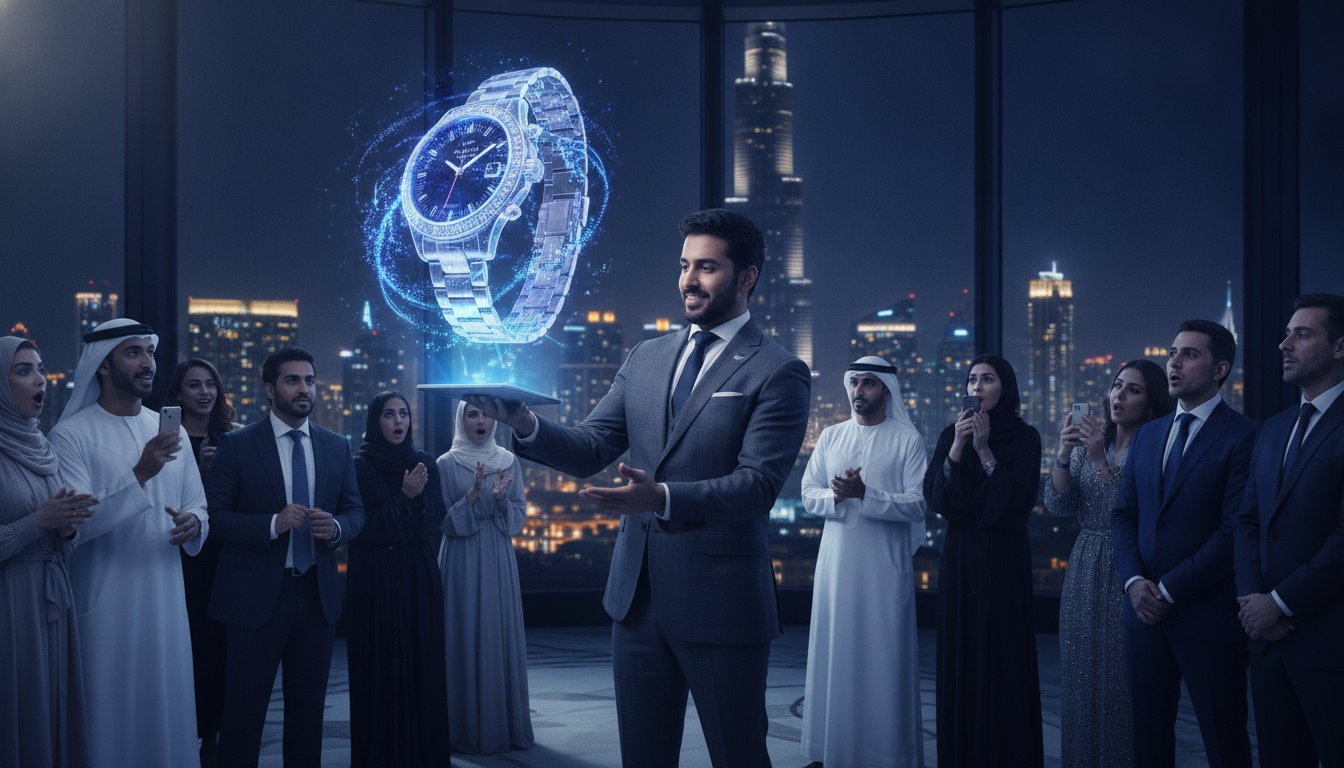
In a city that defines the future, a simple card trick is no longer enough to command the attention of a luxury audience. You've likely felt the frustration of hosting a high-stakes activation at the Dubai World Trade Centre, only to watch potential leads walk past a booth that feels standard or even a bit cheesy. In the competitive landscape of the UAE, your brand needs to align with Dubai’s Smart City image through sophisticated, high-tech engagement. This is where custom branded magic Dubai services transform a traditional presentation into an immersive digital experience that stops foot traffic in its tracks.
We understand that for global leaders, entertainment must be as refined as the products themselves. You want an activation that doesn't just entertain but also drives lead generation and creates massive social media buzz. You're about to learn how bespoke iPad illusions using the latest iPadOS 26 features can seamlessly integrate your brand’s KPIs into a world-class performance. We'll also look at how to ensure your event stays compliant with the latest UAE Media Council Advertiser Permit requirements, where non-compliance fines can start at AED 10,000. This guide ensures your high-tech magic is both spectacular and legally sound for the prestigious Dubai market.
Key Takeaways
- Learn how to transform static signage into interactive storytelling by integrating your brand’s identity directly into live digital illusions.
- Discover how high-tech iPad magic uses the latest iPadOS 26 features to bridge the gap between digital content and physical product reveals.
- Master the "Stop and Wonder" effect to increase booth traffic at the DWTC and use custom branded magic Dubai as a strategic tool for lead generation.
- Identify critical technical requirements, such as Wi-Fi stability and screen mirroring, to ensure a seamless performance at prestigious venues like the Burj Al Arab.
- Understand why luxury brands like Louis Vuitton and Mercedes-Benz choose sophisticated entertainment partners who align with their specific marketing KPIs.
What is Custom Branded Magic? Redefining Engagement for Dubai Events
Custom branded magic is the strategic fusion of sleight of hand and corporate identity. It moves beyond the traditional history of performance magic by weaving a brand’s specific message, logo, or product into the fabric of the illusion itself. In a city like Dubai, where luxury is the baseline, standard entertainment often fails to leave a lasting mark. By choosing custom branded magic Dubai services, you aren't just hiring a performer. You're commissioning a bespoke brand activation designed to align with the high-tech, "Smart City" ethos of the UAE.
Static signage and printed banners have their place, but they don't demand attention in a crowded hall at the Dubai World Trade Centre. When a magician pulls a physical version of your latest product out of an iPad screen, the audience experiences a "halo effect." They associate your company with innovation, sophistication, and cutting-edge technology. This investment shifts the perception of your brand from a participant in the market to a leader of it. It’s about creating a memory that guests carry with them long after the event ends.
There's a fundamental difference between hiring a magician and investing in a brand partner. A standard entertainer performs for the sake of the trick. A brand partner like Thomas McElroy performs for the sake of your KPIs. Every gesture is calculated to highlight a specific feature of your service or to drive a visitor toward a lead generation point. This approach is essential for maintaining luxury standards, especially when your audience includes representatives from global giants like Dior or Mercedes-Benz who expect nothing less than world-class sophistication.
The Psychology of Wonder in Brand Marketing
The human brain is wired to remember what surprises it. When a potential client experiences a "magic moment," their cortisol and dopamine levels rise, creating a lasting mental anchor for the information presented. This moves the guest from passive viewing to active participation in your brand storytelling. Wonder serves as a powerful lubricant for business networking by breaking down social barriers and opening the door for genuine conversation.
Interactive vs. Static Branding: A Dubai Comparison
Think about the ROI of a branded pen versus an interactive digital illusion. While a pen is often lost or forgotten, an "Instagrammable" moment where your logo appears inside a guest’s phone screen extends your reach far beyond the physical venue. This level of engagement perfectly mirrors Dubai’s vision as a global hub for technological advancement. It's a high-impact way to ensure your activation stands out without the "cheesy" feel of outdated entertainment styles. In an era of strict advertising regulations, where missing permits can lead to fines of AED 10,000, having a professional who understands both the art and the local legalities is invaluable.
The Evolution of iPad Magic: Seamlessly Integrating Your Brand
The traditional top hat and velvet cape have been replaced by the sleek glass and M5 silicon of the latest iPad Pro. In a city recognized as one of the top three global cities for business and tourism, your presentation needs to be as polished as the skyscrapers surrounding the venue. High-definition screens and the processing power of iPadOS 26 allow for seamless interactions that feel like real-life science fiction. This technology is at the heart of custom branded magic Dubai, where digital content isn't just a background element but the core of the performance.
Designing these sequences requires a unique overlap between creative coding and classic magic theory. It’s no longer just about hiding a card; it’s about ensuring your brand’s digital assets behave in ways that defy physics. Whether it’s for a corporate gala or sophisticated wedding magic for Dubai celebrations, the integration must be flawless to maintain the luxury standard expected in the UAE. The portability of the iPad makes it the perfect tool for close-up engagement, allowing the magician to move freely through a cocktail reception while keeping your brand front and centre.
Bespoke Digital Content Creation
Creating a bespoke magic sequence begins with your brand’s style guide. It's vital that every digital illusion uses your exact hex codes and corporate fonts to maintain visual consistency. Modern iPad magic often incorporates augmented reality elements, making your logo appear to float in the physical space of the exhibition hall. This tailored approach ensures the magic doesn't feel like a generic trick, but a custom-built demonstration of your company's innovative spirit. You can see how these high-tech illusions look in real-world settings by viewing the latest performance highlights on Instagram.
The "Screen-to-Reality" Effect
The most powerful moment in digital magic is the "screen-to-reality" transition. This is where a digital image of your product, perhaps a new smartphone or a luxury fragrance bottle, is physically pulled out of the iPad screen and handed to a stunned guest. This visceral impact reinforces the idea that your brand is capable of turning digital concepts into tangible reality. If you're looking for a partner to bring this level of engagement to your next trade show, you can explore iPad magician for hire services that specialise in these high-stakes digital reveals. This effect doesn't just entertain; it creates a physical connection between your product and your potential client.
Driving ROI: How Branded Magic Elevates Trade Shows and Launches
In the high-stakes environment of a Dubai trade show, your return on investment is measured by the quality of your leads and the stickiness of your brand message. The "Stop and Wonder" effect is a proven psychological trigger that halts foot traffic at the Dubai World Trade Centre (DWTC). When a crowd gathers to witness a digital illusion, it creates a natural gravity that pulls in high-value prospects who might otherwise have bypassed your booth. Using custom branded magic Dubai techniques, you can transform a passive observer into an engaged lead in under sixty seconds.
The true value of this entertainment lies in its ability to facilitate non-intrusive lead generation. Instead of a cold approach with a badge scanner, the magic act serves as a bridge. A guest participates in a trick involving your brand’s digital assets, and the resulting "magic moment" creates the perfect opening for your sales team to scan a badge or collect data. This organic transition feels like a value exchange rather than a sales pitch. It's why global brands find that a mentalist UAE performance often results in higher brand recall than a standard keynote or video presentation.
At corporate retreats and VIP launches, sophisticated magic acts as a social lubricant. It breaks the ice between high-level executives and facilitates networking in a way that feels natural. By customising the mentalism or iPad illusions to reflect the company's annual goals or product features, the entertainment becomes a mnemonic device. Guests don't just remember the trick; they remember the specific brand message that was revealed through it.
Trade Show Strategy: Standing Out at the DWTC
Standing out in a hall filled with hundreds of competitors requires more than just a bright display. We use specific techniques to qualify leads before they even speak to your sales team. By designing the magic to appeal to your target demographic, we ensure that the people stopping at your booth are the ones most likely to convert. For a deeper look at these tactics, you can read our full guide on trade show magic Dubai to see how to dominate the exhibition floor.
Product Launch Excellence
For luxury product launches, the "Hero Reveal" is the ultimate application of branded magic. This involves using large-scale illusions or intricate iPad sequences to unveil a new luxury car or timepiece. Working with prestigious names like Mercedes-Benz and Dior, we've seen how magic creates an emotional anchor. When a physical product manifests from a digital cloud of your brand's signature colours, it leaves an indelible mark on the audience's memory. This emotional connection is what drives post-event engagement and social media sharing among Dubai's elite influencers.

Logistics of Luxury: Planning a Digital Magic Activation in Dubai
Planning a high-end event in the UAE involves a level of logistical foresight that goes beyond simple catering and decor. When you integrate custom branded magic Dubai into your schedule, the technical infrastructure becomes the backbone of the performance. A digital illusion is only as powerful as its execution; a lagging screen or a dropped Wi-Fi signal can break the spell instantly. This is why we coordinate closely with venue AV teams at locations like the Burj Al Arab to ensure the M5-powered iPad Pro, running the latest iPadOS 26.5.2, communicates perfectly with the house LED walls.
Beyond the technology, you've got to consider the regulatory landscape. As of February 1, 2026, any promotional content created during your event requires a valid Advertiser Permit from the UAE Media Council. This is especially relevant if you plan to capture the magic moments for social media marketing. Additionally, the Dubai Public Safety Law (Law No. (2) of 2026), which took effect on June 1, 2026, mandates specific lighting and crowd control standards. For instance, ensuring that organized entry and exit points are maintained even during a "stop and wonder" moment at a trade show booth is now a legal requirement. Working with a professional ensures these safety and legal standards are met without compromising the guest experience.
Cultural sensitivity is another pillar of luxury in the Middle East. High-tech magic is inherently inclusive, but the presentation must remain respectful of local traditions and social norms. By focusing on digital innovation and mentalism, we provide a sophisticated alternative to traditional magic that appeals to the diverse, international demographic found at Dubai’s most prestigious galas. It's about finding the balance between cutting-edge technology and the timeless values of UAE hospitality.
The Tech Checklist for Event Planners
To deliver a flawless digital activation, several technical boxes must be checked. First, Wi-Fi stability is paramount for real-time iPad mirroring. We often recommend a dedicated 5GHz network to avoid interference from the thousands of devices found in places like the DWTC. Second, audio is critical; the "sound of magic", the digital pings and atmospheric scores, must be crisp and synced to the visuals. Finally, lighting should be adjusted to minimize screen glare while meeting the safety standards required by Law No. (2) of 2026.
Selecting the Right Format for Your Audience
Choosing between intimate close-up magic and a large-scale stage show depends on your networking goals and the timing of your event. For executive-level gatherings where high-level conversation is the priority, close-up iPad magic offers a personal touch that doesn't disrupt the flow. Conversely, a stage show is better suited for award ceremonies where you need a unified brand reveal. If you aren't sure which format fits your venue, consulting with an experienced magician Dubai can help you tailor the performance to your specific audience size and luxury expectations. You can see how different formats look in action by exploring our recent event highlights on Instagram.
Thomas McElroy: Dubai’s Expert in Sophisticated Custom Magic
Thomas McElroy represents the pinnacle of custom branded magic Dubai. He has spent over a decade in the UAE event industry, refining a unique blend of mentalism and high-tech iPad magic that resonates with the world’s most prestigious audiences. Thomas doesn't just perform tricks; he crafts bespoke digital experiences that serve as a direct extension of your brand’s marketing strategy. This sophisticated approach is why he has been recognized as Dubai’s Number One Magician and Mentalist for three consecutive years, covering 2023, 2024, and 2025.
The "Thomas McElroy" difference lies in the seamless integration of innovation and elegance. While many entertainers offer generic performances, Thomas functions as a strategic partner in your brand activation. Every sequence is designed with your specific KPIs in mind, whether you're looking to increase social media engagement or drive high-quality lead generation at a trade show. By choosing a performer who understands the nuances of the Dubai luxury market, you ensure that your entertainment aligns perfectly with the high standards of global giants like Louis Vuitton, Dior, and Mercedes-Benz.
Trust is a vital currency in the UAE event scene. Having a local expert who is physically based in Dubai means you're working with someone who understands the logistical and cultural expectations of venues ranging from the Museum of the Future to the private villas of Palm Jumeirah. This local expertise, combined with a decade of experience, allows Thomas to navigate the complexities of high-stakes corporate galas with a level of poise that visiting performers often lack.
A Trusted Partner for the UAE’s Elite Brands
Marketing directors at top-tier Dubai firms often face the challenge of finding entertainment that feels fresh and modern without losing its "luxury" edge. Thomas has built a reputation for delivering exactly that. His past performances for Mercedes-Benz and Dior demonstrate an ability to take complex brand messages and distill them into moments of pure wonder. These aren't just spectacles; they're emotional anchors that ensure your audience remembers your product features long after the final curtain. This measurable engagement is what sets Thomas apart as the preferred choice for the city’s elite brand launches.
Book Your Custom Magic Consultation
Starting the process of customising a magic sequence for your next event is a collaborative journey. During a consultation, we analyze your brand voice, your target demographic, and your specific event goals for the 2026 season. Whether you need an intimate close-up experience or a high-impact stage reveal, every element is tailored to your requirements. Don't settle for outdated entertainment that misses the mark. Elevate your next activation with modern digital sorcery that reflects the future-forward spirit of Dubai. Contact us today to begin designing a world-class experience that your guests will talk about for years to come.
Transform Your Next Dubai Brand Activation
The landscape of corporate entertainment in the UAE has shifted toward a "phygital" future where technology and wonder collide. You've seen how integrating your brand’s identity into high-tech illusions doesn't just entertain; it drives measurable ROI and stops traffic at the busiest trade shows. By choosing custom branded magic Dubai, you're aligning your company with the city’s vision of innovation while ensuring your activation stays compliant with the latest UAE Media Council regulations. It's about moving from passive viewing to active, memorable participation.
With over a decade of experience in the local market, Thomas McElroy has become the trusted partner for global leaders including Louis Vuitton, Dior, and Mercedes-Benz. He provides the sophisticated digital expertise needed to turn a standard event into a world-class experience. Whether you’re planning a product launch at the Burj Al Arab or a high-stakes exhibition at the DWTC, it's time to move beyond the ordinary. Book Thomas McElroy for your custom brand activation and ensure your message is the one everyone remembers. Your brand deserves a moment of pure, high-tech magic.
Frequently Asked Questions
What is a digital illusionist and how do they differ from traditional magicians?
A digital illusionist uses modern technology like tablets and LED screens to perform magic that interacts with digital elements. Traditional magicians rely on physical props like cards or coins. This tech-forward approach is essential for custom branded magic Dubai, as it allows for the seamless integration of your company's apps and digital assets into the performance. It feels more aligned with the city's innovation-focused identity.
Can the magic be customised with our company logo and specific brand messaging?
Customisation is the core of a branded activation. We can integrate your company logo, specific product images, and key marketing messages directly into the iPad magic sequences. By using your brand's specific color palette and fonts, the illusions look like a custom-built part of your presentation. This ensures the magic feels like a strategic marketing tool rather than just a generic entertainment act.
Is digital magic suitable for large-scale trade shows like those at the DWTC?
Digital magic is perfectly suited for the intense environment of the Dubai World Trade Centre. It acts as a powerful "traffic stopper" that draws attendees to your booth. Once a crowd forms, it provides your sales team with a non-intrusive opportunity to scan badges and qualify leads. It’s a proven strategy for maximizing booth ROI at high-stakes international exhibitions.
What technical equipment does the magician provide for a digital branded show?
Thomas provides the specialized iPads and software required for the performance. For larger shows, we require access to the venue's LED screens or monitors for mirroring the digital illusions. We also coordinate with the AV team to ensure audio levels are optimized for the space. All setups are designed to be compliant with the latest Dubai Public Safety Law regarding venue equipment.
How far in advance should I book a custom branded magic performance in Dubai?
For bespoke activations involving custom digital content, we suggest booking at least two months before your event. This timeframe ensures there is enough time for design, coding, and rehearsals. It also gives you plenty of time to secure the mandatory Advertiser Permit from the UAE Media Council. Early booking is vital during the busy winter event season when demand for premium entertainment is at its highest.
Does Thomas McElroy perform both traditional sleight of hand and iPad magic?
Thomas McElroy is a specialist in both classic mentalism and cutting-edge iPad magic. He often combines traditional sleight of hand with digital effects to create a unique, multi-dimensional experience. This hybrid approach allows him to engage guests in a variety of settings, from close-up interactions at a cocktail reception to high-impact stage performances at a corporate gala or luxury brand launch.
Is the content of the magic show appropriate for a multicultural Dubai audience?
Yes, the content is carefully curated to be culturally sensitive and appropriate for the UAE’s multicultural environment. We avoid controversial themes and focus on sophisticated, clean entertainment that celebrates innovation and wonder. This makes the magic a safe and prestigious choice for events involving government officials, international VIPs, and local families alike. The performance is designed to bridge cultural gaps through universal amazement.
How long is a typical digital magic brand activation performance?
The duration depends on your event’s specific goals. For trade shows at the DWTC, we typically perform short, high-frequency sets to capture as many new leads as possible. For formal corporate galas, a stage show usually runs between 30 and 45 minutes. We can also provide "walk-around" magic during a two-hour cocktail reception to keep guests engaged while they network.
Digital Illusions: The 2026 Guide to the Future of Event Entertainment
Discover the future of event entertainment. Our 2026 guide to digital illusions shows how AI and iPad magic can captivate tech audiences and elevate your brand.
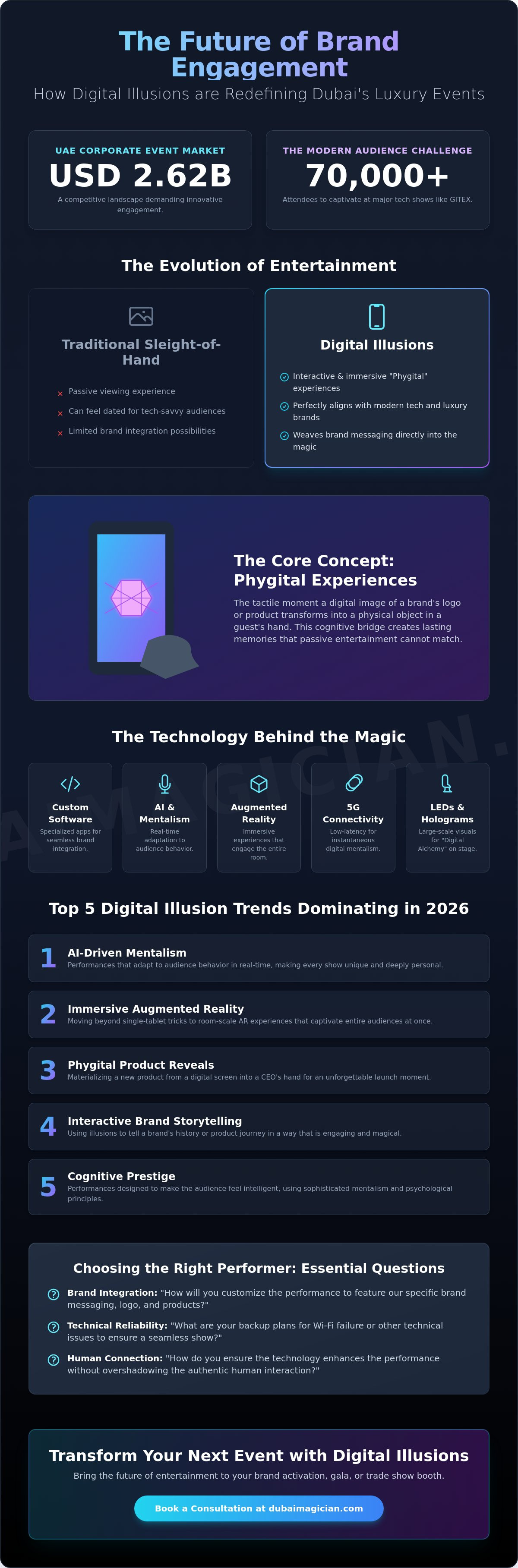
What if your brand's next product didn't just sit on a display, but materialized directly from a spectator's smartphone screen? In a market like the UAE, currently valued at USD 2.62 billion, the standard for corporate engagement has shifted. You've likely noticed that traditional magic often feels dated for modern tech brands, especially when trying to capture the attention of 70,000 attendees at events like GITEX Global. Capturing the interest of a tech-savvy audience requires more than just sleight-of-hand; it demands a fusion of coding and conjuring known as digital illusions.
We understand the challenge of creating high-impact activations at the DWTC that feel both sophisticated and compliant with the latest Public Safety Law No. (2) of 2026. This article will show you how tech-driven magic is transforming luxury events into phygital experiences that bridge the gap between physical reality and digital possibility. You'll learn about the rise of AI-themed performances, how to weave your specific brand messaging into a routine, and what to look for in a professional who can deliver cognitive prestige through iPad magic and mentalism.
Key Takeaways
- Understand how digital illusions redefine traditional magic by blending AI and custom software with classic sleight-of-hand.
- Explore the shift from simple tablet tricks to immersive augmented reality experiences that engage entire rooms at once.
- Identify 2026's top trends, including AI-driven mentalism that adapts to audience behavior in real-time for a personalized experience.
- Learn how to use tech-driven entertainment to stop traffic at trade shows and integrate brand messaging directly into the performance.
- Discover the essential questions to ask when vetting a performer to ensure they balance technical reliability with authentic human connection.
What Are Digital Illusions? Redefining Magic for the 2026 Event Landscape
While some historical definitions might point toward video game development, the modern event industry is Redefining Magic for the 2026 season. Today, digital illusions represent the sophisticated intersection where high-tech hardware meets classic misdirection. It's a departure from the passive experience of watching a screen. Instead, it's an interactive performance where technology like tablets, augmented reality, and artificial intelligence become the magician's props. This evolution ensures that the performance feels relevant to a world where technology is already integrated into every aspect of our lives.
The core of this evolution lies in the "phygital" experience. This isn't just about clever graphics or pre-recorded videos. It's about the tactile moment a digital image of a brand's logo transforms into a physical product in a guest's hand. This level of interaction is what separates a digital illusionist from a simple tech display. It turns a static trade show booth or a corporate gala into a living, breathing brand story. For guests who spend their days looking at devices, seeing those devices behave in impossible ways creates a lasting memory that traditional entertainment simply cannot match.
The Shift from Traditional Sleight-of-Hand to Digital Mastery
By 2026, the demand for tech-integrated performances has reached a tipping point. High-end brands often find traditional card tricks a bit dated for their product launches. The psychological impact of seeing a physical object emerge from a digital screen is profound. It creates a cognitive bridge that modern, tech-savvy audiences crave. Performers are moving away from the narrow "iPad Magician" label. They're now considered digital illusionists who master both the silicon and the sleight-of-hand. This mastery ensures that the technology never feels like a gimmick, but rather a natural extension of the impossible. It requires a deep understanding of both coding and choreography to pull off a seamless show.
Why Dubai Leads the World in Digital Entertainment Trends
Dubai has always had an appetite for "Future-First" experiences. From the architectural marvel of the Museum of the Future to the ambitious goals of Dubai’s Vision 2033, the city is a playground for innovation. High-end event planners here don't just want entertainment; they want a reflection of the city's tech-forward identity. This makes digital illusions the ideal choice for local brand activations. Whether it's a grand gala or a tech summit at the DWTC, these performances align perfectly with the push for interactive entertainment in Dubai. By integrating brand messaging into the very fabric of the magic, companies can ensure their message resonates in a market that values both luxury and cutting-edge technology.
The Technology Behind the Magic: From iPad Sleight-of-Hand to Augmented Reality
Modern digital illusions rely on a sophisticated tech stack that goes far beyond simple screen tricks. Professional performers now utilize custom-coded software to ensure that brand logos and products integrate seamlessly into the performance. For example, specialized apps like Anyweb allow a magician to force specific information on any website or application in real-time. This level of customization ensures that a corporate message doesn't just appear; it becomes part of the miracle. The infrastructure supporting these feats has also evolved. The rollout of high-speed 5G networks provides the low-latency connection required for real-time digital mentalism, where a performer might "read" a guest's mind by interacting with their smartphone data instantaneously.
On the big stage, the spectacle has grown to match the scale of Dubai's grandest venues. High-resolution LED walls and holographic fans create three-dimensional visuals that interact with the physical performer. This setup allows for "Digital Alchemy," where a magician might grab a flickering holographic flame and transform it into a tangible product. These tools are essential for keeping pace with the high expectations of audiences at major tech exhibitions. If you want to see these concepts in action, you can explore recent performances online to see how tech and talent collide.
iPad Magic: The Gateway to Digital Illusions
Tablets serve as a perfect "portal" between the magician's world and the audience's reality. iPad magic remains the gold standard for high-tech engagement because it's familiar yet capable of the impossible. A classic example involves a performer scrolling through a digital contact list on a guest's phone, only to physically pull that guest's actual business card out of the screen. This tactile interaction is vital. It proves that the magic isn't just a video file playing at the right time. It's a responsive, live experience that uses the device's sensors and custom software like MAGIC KIT Pro to create a sense of wonder that feels personal and direct.
Augmented Reality and the "Invisible" Tech Trend
The next frontier involves technology that the audience carries in their own pockets. Augmented Reality (AR) allows an entire room to participate in a single illusion simultaneously. By scanning a QR code or using a dedicated event app, guests can see hidden layers of the performance through their smartphone cameras. This "Invisible Tech" trend is particularly effective in VIP lounges, where "Wearable Magic" using smart glasses is becoming more common. Performers use AR to explain complex corporate concepts or data visualizations by turning them into interactive 3D objects that guests can manipulate in mid-air. It's a powerful way to ensure a brand's message is not just heard, but experienced.
Top 5 Digital Illusion Trends Dominating Dubai’s Luxury Events in 2026
Dubai’s events in 2026 are defined by a fusion of high-end luxury and technological sophistication. Organizers no longer settle for standard entertainment; they look for digital illusions that tell a cohesive brand story. The landscape has shifted from passive viewing to active participation. Here are the five trends currently defining the most prestigious gatherings in the UAE:
- AI-Driven Mentalism: This involves software that analyzes audience micro-expressions or verbal cues to adapt the performance in real-time. It's not a pre-set routine but a fluid experience that responds to the room's energy.
- Holographic Brand Storytelling: During gala dinners, products are projected in mid-air using holographic fans or mist screens. This allows guests to see a 3D version of a luxury watch or a new vehicle model before it physically appears on stage.
- Social Media Integrated Magic: Performers now design illusions specifically for the smartphone lens. These moments are optimized for vertical video, ensuring they're "instantly viral" for TikTok and Reels.
- Cyber-Security Magic: In the fintech sector, digital illusions are used to demonstrate data protection. A magician might "hack" a guest's phone only to reveal the hosting brand's security logo, making a dry topic highly engaging.
- Eco-Tech Illusions: As the UAE continues its push for sustainability, paperless magic has become a requirement for green-certified events. Digital tricks replace playing cards and paper pads with tablets and smartphones to minimize waste.
The Rise of AI in Psychological Entertainment
The integration of Artificial Intelligence has sparked a fascinating shift in how we perceive mind-reading. AI can now predict audience choices by analyzing vast datasets of human behavior, often with higher accuracy than traditional psychological techniques. This creates an intriguing ethical debate: is it magic or is it data? This question is a central theme in modern mentalist UAE performances. For C-suite executives, these "data-driven" miracles provide a personalized experience that feels both impossible and intellectually stimulating. It's a sophisticated way to engage a crowd that's seen every traditional trick in the book.
Gamified Magic for Audience Participation
Engagement scales to new heights when a 500-person ballroom becomes a giant interactive game. Modern digital illusions allow every guest to participate simultaneously through their own devices. By linking the outcome of a stage trick to an event-wide leaderboard, performers drive healthy competition. Guests might work together to "unlock" a digital vault on the main screen, with the final prize appearing physically on stage. This gamification ensures that the energy remains high and the brand message is reinforced through play rather than just observation.
Why Digital Magic is the Ultimate Tool for Brand Engagement and Trade Shows
At massive exhibitions like GITEX Global, capturing the attention of over 70,000 attendees is a significant hurdle. Exhibitors often struggle with "scroll-blindness," where visitors are so overwhelmed by screens that they stop noticing them. Digital illusions solve this by providing a live, interactive disruption. When a performer pulls a physical object out of a tablet, the brain pauses to engage. This stopping power is crucial for turning a passerby into a qualified lead. It breaks the monotony of the trade show floor and creates a natural opening for your sales team.
Customization is the biggest advantage of this medium. Every part of the performance can feature your brand's specific logos, slogans, or even a digital representation of your software. This isn't just entertainment; it's a dynamic presentation. By integrating your messaging into the magic, you ensure the audience isn't just watching a trick. They're learning about your product. Some industry professionals report that these interactive, tech-driven experiences significantly boost brand recall compared to passive displays. It ensures your company remains the talking point of the event long after the guests have left the booth.
Maximizing ROI at the Dubai World Trade Centre (DWTC)
Success at the DWTC requires a strategic approach to trade show magic. You need a 3-second hook to stop the traffic and a 2-minute pitch to deliver the value. Digital illusions are particularly effective for tech exhibitors who need to visualize "unseen" software or cloud-based products. Instead of explaining a complex API, a magician can demonstrate its "seamless integration" through a physical-to-digital illusion. For a deeper dive into these strategies, see our guide on tech event entertainment Dubai. It helps turn a high-traffic stand into a high-conversion environment.
Bespoke Illusions for Luxury Brand Launches
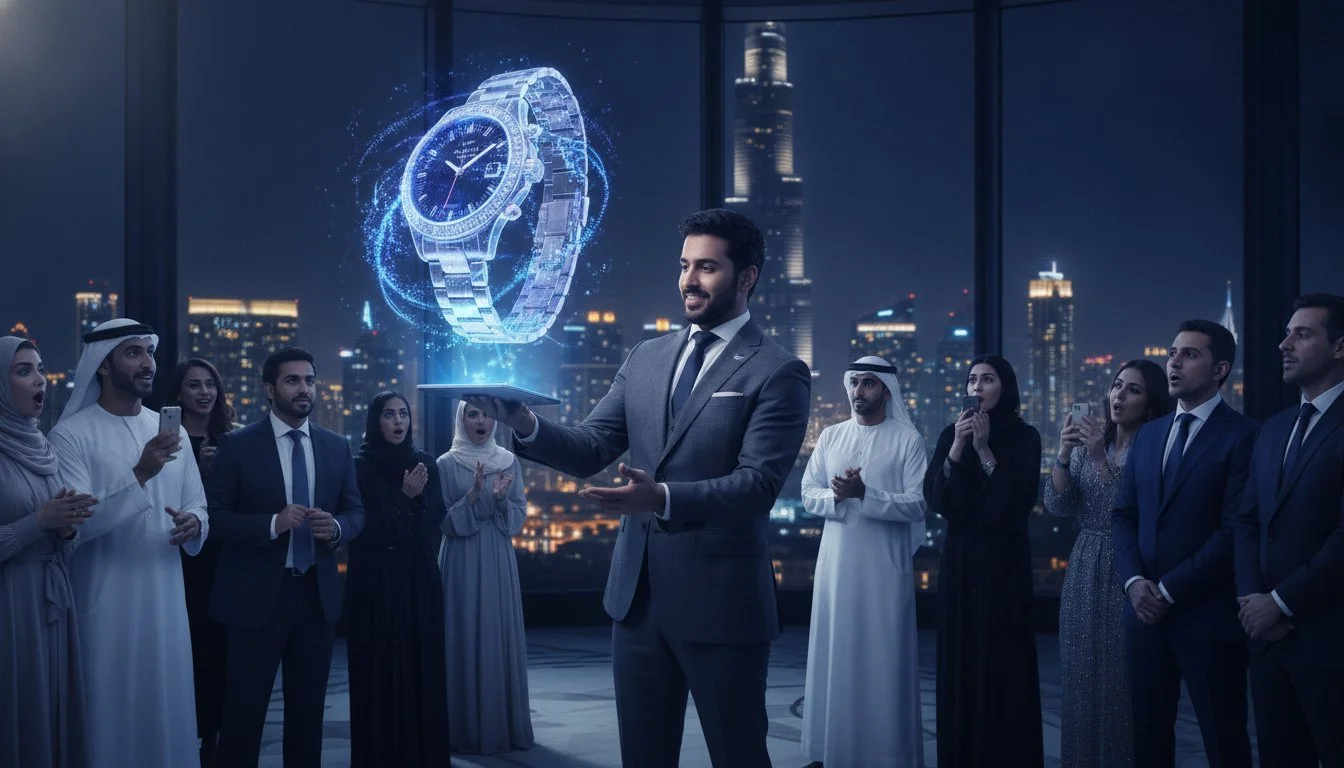
For high-end launches, the focus shifts from volume to prestige. Imagine a new luxury watch appearing to "teleport" from a 4K screen directly into a VIP’s hand. This creates a high-impact moment that feels exclusive and technologically advanced. It's vital to maintain a luxury aesthetic, using high-end gadgets and sleek interfaces that reflect the brand's quality. In this context, the magician acts as a sophisticated brand ambassador who bridges the gap between the product and the consumer. If you want to see how these activations look in a real-world setting, view our portfolio of luxury events to see the impact of tech-driven magic.
The Future of Digital Entertainment: Choosing the Right Performer for Your Tech-Savvy Audience
Selecting a performer for a high-stakes event in 2026 requires looking beyond the gadgets. While the spectacle of digital illusions is undeniable, technical skill only represents 50% of a successful booking. The remaining half is the human connection. If a performer relies solely on a screen, they're just a technician. A true illusionist uses technology as a medium to enhance the mystery, not as a crutch to replace it. This is why vetting a performer's background is essential. You need someone who understands the weight of a brand's reputation and can maintain the room's energy even if a device requires a reboot.
Thomas McElroy has spent 15 years mastering traditional sleight-of-hand before integrating cutting-edge digital innovation into his repertoire. This foundation in classic magic ensures that the performance remains deceptive and engaging, regardless of the tech stack. When interviewing potential performers, always ask about their "Analog Backups." Even with Dubai's robust 5G infrastructure, Wi-Fi can occasionally falter at massive venues. A professional digital illusionist should be able to pivot instantly to world-class close-up magic or mentalism without the audience ever realizing there was a technical glitch.
Balancing High-Tech with High-Touch
The most impactful magic doesn't happen on a tablet; it happens in the spectator's hands. Storytelling is what transforms a digital trick into a memorable moment of "magic." If the technology overshadows the emotional impact, the event becomes a product demo rather than a luxury experience. The goal is to ensure the tech feels like an impossible extension of reality. By focusing on the guest's reaction and the narrative flow, the performer ensures the brand message feels organic and personal. It's about creating a "high-touch" environment where guests feel seen and engaged despite the digital nature of the performance.
Booking Your 2026 Digital Illusion Experience
Planning a custom-coded performance requires a clear timeline. While standard iPad magic can often be integrated quickly, bespoke illusions that feature specific brand assets or complex AR layers may require several weeks of development. You'll also need to coordinate technical requirements like specific lighting setups to avoid screen glare and dedicated Wi-Fi channels for low-latency mentalism. Ensuring these logistics are handled early allows the performer to focus on the delivery and guest interaction. To start planning your next high-impact event, you can Contact Thomas McElroy for a bespoke digital illusion consultation in Dubai and discover how tech-driven magic can elevate your brand's presence.
Elevating Your 2026 Brand Experience with Tech-Driven Magic
Digital illusions have evolved from simple tablet tricks into immersive, brand-integrated experiences that bridge the gap between physical reality and digital innovation. We've seen how AI-driven mentalism and holographic storytelling are setting new standards for luxury events across Dubai. It's clear that the most successful activations in 2026 will prioritize interaction and personalization over passive viewing.
Success in this tech-savvy landscape requires a performer who understands the nuances of sophisticated brand activations. Thomas McElroy brings over 15 years of experience in the UAE, blending traditional sleight-of-hand with custom-coded digital magic. Having earned the trust of global brands like Louis Vuitton, Dior, and Mercedes-Benz, he ensures your message is delivered with precision and wonder. He doesn't just perform tricks; he crafts bespoke narratives that resonate with high-end audiences at the DWTC and beyond.
Ready to transform your next trade show or gala into an unforgettable phygital journey? Book a Digital Illusion Strategy Session with Thomas McElroy to start designing your bespoke event experience. The future of entertainment is interactive, and your brand is ready to lead the way.
Frequently Asked Questions
What exactly are digital illusions in a live performance context?
Digital illusions are the seamless integration of modern technology like tablets, augmented reality, and artificial intelligence with traditional sleight-of-hand. Unlike watching a pre-recorded video, these performances are interactive and happen in real-time. Objects might appear to move from a digital screen into a physical hand, creating a "phygital" experience that bridges the gap between the virtual and physical worlds.
How does an iPad magician differ from a traditional close-up magician?
An iPad magician uses digital devices as their primary tool instead of traditional props like cards or coins. While a traditional close-up magician focuses on physical objects, the digital performer uses software to manipulate pixels and data. This approach often feels more modern and relevant for corporate environments where tech-savvy audiences expect high-tech entertainment during a cocktail hour or reception.
Can digital illusions be customized for my company’s specific branding?
Yes, digital illusions are highly customizable. Performers can integrate your company's logos, slogans, and even digital versions of your products directly into the magic. This allows the entertainment to act as a powerful marketing tool, ensuring that your brand message is woven into the most memorable and talked-about moments of the event.
Is digital magic suitable for large stage shows or just intimate close-up settings?
Digital magic works across all event scales, from intimate close-up settings to grand stage magic performances. On a large stage, performers use high-resolution LED walls and holographic fans to project illusions that the entire audience can see. In smaller settings, iPad magic provides a personal and tactile experience for guests during a trade show or private party.
What happens if the technology fails during a live digital magic performance?
Professional performers always maintain "analog backups" to ensure the show continues if technology fails. If a Wi-Fi connection drops or a device glitches, the magician can pivot instantly to traditional sleight-of-hand or mentalism. This ensures that the entertainment remains seamless and the audience never notices a technical hiccup, keeping the energy of the event high.
How far in advance should I book a digital illusionist for a major Dubai trade show?
It's best to book a digital illusionist three to six months in advance for major Dubai trade shows like GITEX Global. This lead time is necessary if you require custom-coded software or specific brand integrations. Early booking also ensures availability during peak event seasons at the Dubai World Trade Centre, where high-demand performers are often secured early.
Are digital illusions effective for lead generation at exhibitions?
Digital illusions are exceptionally effective for lead generation at exhibitions. They act as a "3-second hook" that stops traffic at your booth, breaking the "scroll-blindness" common in busy exhibition halls. Once the audience is engaged, the performer can transition into a brand pitch or collect visitor data through interactive digital tricks that require guest input.
What kind of tech does a digital magician typically use?
Digital magicians typically use high-end tablets, smartphones, and custom-coded applications designed for performance. Some performers also incorporate augmented reality glasses, holographic fans, and low-latency 5G connections for real-time mentalism. This tech stack allows for a clean, modern aesthetic that aligns with the high-end corporate standards expected at luxury events in Dubai.