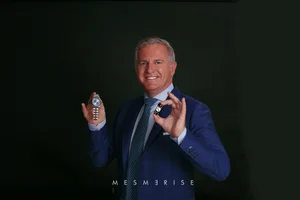
Mentalism vs Magic: Choosing the Best Sophisticated Entertainment for Dubai Events in 2026
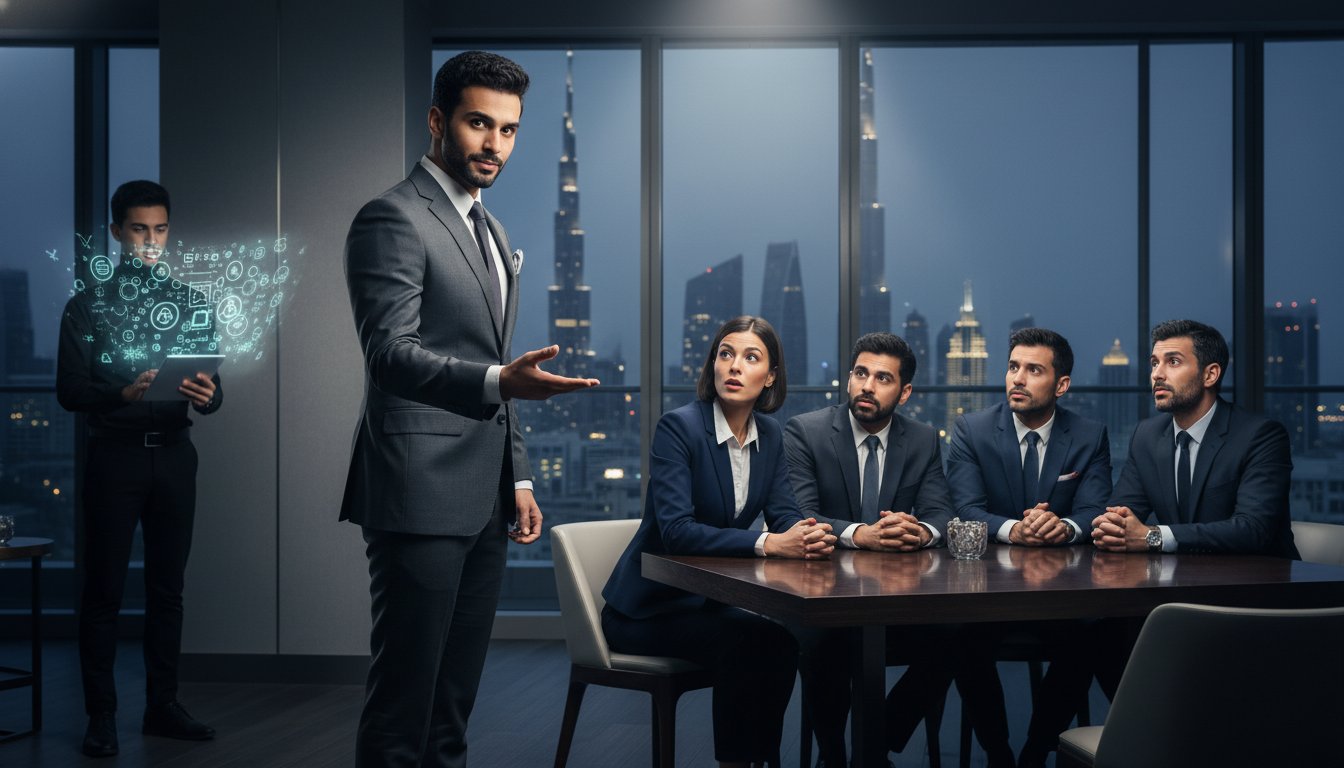
In a city defined by architectural marvels and high-stakes business, your guests no longer want to just see a trick; they want to feel their reality shift. The debate between mentalism vs magic is no longer about which is "better" but about which level of sophistication fits your 2026 event strategy. With the UAE event management market estimated to reach USD 2.62 billion this year, the competition for attendee attention is at an all-time high. You need an experience that resonates with the corporate elite.
You've likely felt the pressure of booking entertainment for a formal gala or a high-stakes trade show only to worry it might feel dated or even childish. It's a common concern for organizers who need to justify their choices to stakeholders while ensuring a premium atmosphere. This article helps you distinguish between these two crafts so you can select the perfect high-end performance for your next luxury UAE gathering.
We'll explore the rise of "Cognitive Prestige" in Dubai and look at the essential Law No. (2) of 2026 safety requirements you must follow. You'll gain a clear framework for choosing between mind-bending psychological feats and world-class digital illusions from performers like Thomas McElroy to ensure your event leaves a lasting, professional impression.
Key Takeaways
- Identify the core technical differences between physical sleight of hand and psychological influence to align with your event's specific atmosphere.
- Apply a strategic framework for mentalism vs magic to determine which style best serves high-traffic trade shows versus intimate executive dinners.
- Discover why Dubai's corporate sector is shifting toward "Cognitive Prestige" to provide guests with intellectually stimulating experiences rather than passive observation.
- Learn how modern technology like iPad magic creates a sophisticated bridge between visual illusions and contemporary mind-reading.
- Determine the ideal engagement level for your venue by comparing the impact of close-up magic against large-scale stage mentalism.
Defining the Craft: What is the Difference Between Mentalism and Magic?
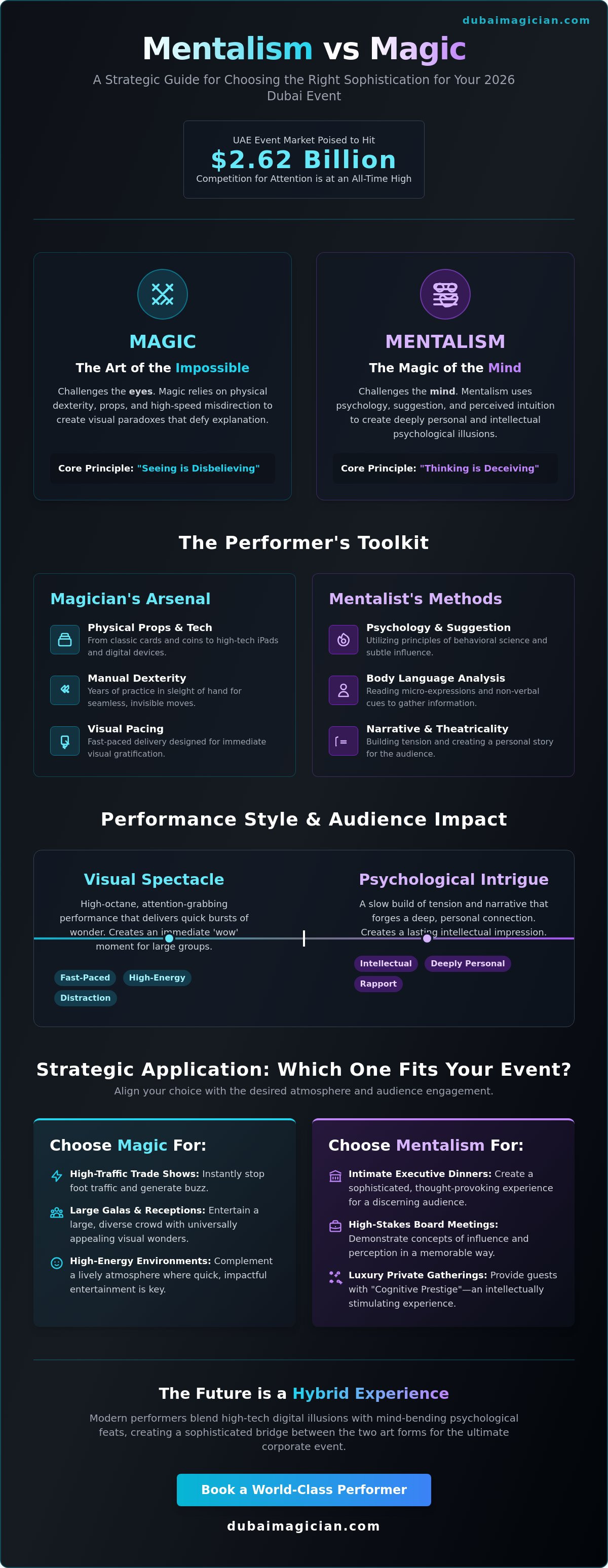
Choosing the right entertainment for a high-profile Dubai event requires understanding the subtle but powerful distinction of mentalism vs magic. While both fall under the umbrella of mystery arts, they target different parts of the human experience. Magic is the art of the impossible made physical. It relies on a performer's ability to manipulate objects, often using high-speed dexterity or specialized equipment. Mentalism shifts the focus from the hands to the head. It is frequently described as the 'magic of the mind' because it uses psychological principles to create the appearance of supernatural intuition or influence.
The historical evolution of these crafts highlights their different goals. Traditional magic grew from 19th-century stage spectacles that focused on grand physical feats and large-scale illusions. Modern mentalism, by contrast, draws more from the world of behavioral science and theatrical persuasion. The fundamental distinction is clear: magic challenges the eyes, while mentalism challenges the mind. One creates a visual paradox; the other creates a psychological one.
The Magician’s Toolset: Sleight of Hand and Illusions
Magicians thrive on the visual 'wow' moment. Whether performing Close-up Magic at a cocktail reception or Stage Magic for a gala, the goal is to create a sensory contradiction. These performers use misdirection to guide your attention away from the secret move, ensuring the payoff feels like a genuine miracle. Modern magic in the UAE often incorporates high-tech elements, such as iPad Magic, where digital items are pulled from a screen into the physical world. Key elements of the magician's toolkit include:
- Physical Props: Ranging from classic cards and coins to high-tech digital devices.
- Manual Dexterity: Years of practice allow for nearly invisible sleight of hand.
- Visual Pacing: Magic is often fast-paced, designed to provide immediate gratification to a large crowd.
This style is particularly effective for high-energy environments. For instance, Trade Show Magic often uses visual tricks to stop foot traffic and engage passersby instantly. It's about the spectacle and the immediate emotional hit of seeing something impossible happen right before your eyes.
The Mentalist’s Toolset: Psychology and Perception
Mentalists operate in the space between reality and illusion. Instead of physical props, they use tools like suggestion, body language analysis, and intuition. By Defining Mentalism as a psychological performance, we see how it differs from traditional sleight of hand. A mentalist might seem to know the name of a guest's childhood friend or influence a choice the audience believes was entirely their own. This craft creates the illusion of a 'sixth sense' or telepathy, making the experience feel deeply personal. Because it lacks the prop-heavy feel of some magic, mentalism often carries a higher level of intellectual prestige. It feels more 'real' to adult audiences because it plays with the very thoughts inside their heads, making it a favorite for the corporate elite when comparing mentalism vs magic for their private gatherings.
Performance Styles: Visual Spectacle vs. Psychological Intrigue
Understanding the energy shift is vital when weighing mentalism vs magic for your event program. Magic often operates as a high-octane visual spectacle. It’s fast-paced and designed to grab attention in a crowded room. A magician’s reveal is physical; you see a solid object melt through a table or a borrowed ring appear inside a sealed envelope. Mentalism, however, relies on narrative and the slow build of psychological tension. Instead of showing a result, the mentalist reveals a private thought. This creates a deep personal connection between the performer and the guest. Both disciplines demand immense stage presence, but they use personality differently. A magician might use charm to distract, while a mentalist uses it to build trust and rapport.
The choice between these styles often comes down to the desired tempo of your event. If you need quick bursts of wonder to keep a crowd moving, visual magic is the answer. If you want to ground your event in a shared, intellectual experience that challenges the audience's perception of reality, mentalism is the superior fit. To see how these styles transform a room in real-time, you can view recent performance highlights from Dubai's top venues.
Close-up Magic: Intimate and Impactful
Close-up Magic is the ultimate ice-breaker for social gatherings. It happens just inches away, often in the guest's own hands. When a magician performs at a cocktail hour, the tactile nature of the magic makes the impossible feel tangible. Guests don't just watch a trick; they participate in a sensory experience. This style is perfect for high-net-worth networking where you want to spark conversation without a formal stage setup. The immediate gratification of a well-executed sleight of hand creates a ripple of excitement that travels through the room, making it easy for strangers to start talking.
Mentalism: The Art of the 'Mind-Blowing' Reveal
For those seeking private event entertainment UAE hosts can rely on for intellectual depth, mentalism is the gold standard. It’s a slow-burn effect. A mentalist might spend several minutes building a psychological profile before revealing a specific word a guest is merely thinking of. This "is it real?" factor drives a level of engagement that visual magic sometimes can't reach with adult audiences. It leaves guests debating the limits of human intuition long after the gala ends. In a market where corporate events account for nearly half of the event management industry's revenue, this type of "Cognitive Prestige" ensures your brand is associated with sophistication and intelligence.
Audience Perception: Why Dubai’s Corporate Elite Choose Mentalism
The corporate landscape in the UAE is evolving. With the local event management market projected to reach USD 2.62 billion in 2026, the demand for high-caliber entertainment has never been more competitive. For many organizers, the debate of mentalism vs magic is settled by the desire to avoid the "childish" stigma often associated with traditional magic. While magic is sometimes unfairly pigeonholed as entertainment for younger audiences, performers like Thomas McElroy have redefined the craft for the luxury sector. They move away from the theatrical tropes of the past to create a sophisticated atmosphere that feels more like an exclusive social experiment than a stage show.
CEOs and high-level executives are drawn to mentalism because it provides "Cognitive Prestige." This trend focuses on intellectual engagement rather than passive observation. In a room full of industry leaders, a performer who can apparently influence a person's decision-making process or predict a specific business-related thought commands a different kind of respect. Skepticism actually strengthens these performances. When a mentalist acknowledges the audience's doubt and then proceeds to bypass their mental defenses, it creates a powerful moment of connection. It's not about being fooled; it's about being understood on a psychological level.
The 'Impossible' vs. The 'Unexplained'
There's a subtle psychological shift when guests watch a mentalist compared to a magician. When a magician makes an object disappear, the audience knows it's a trick involving physical skill. When a mentalist reveals a private thought, the audience often wonders if they've witnessed a genuine display of heightened intuition or psychological mastery. This sense of the "unexplained" carries more weight in a professional setting than the "impossible" feats of physics. Mentalism bridges the gap between entertainment and science by demonstrating the untapped potential of the human mind through behavioral observation and suggestion.
Tailoring the Experience for Luxury Brands
Luxury brands such as Louis Vuitton and Dior frequently utilize mentalism to foster an "inner circle" feeling at private launches. The performance isn't just a break in the schedule; it's a tool for brand alignment. In Dubai’s luxury sector, professional etiquette, grooming, and attire are just as important as the performance itself. A mentalist who mirrors the sophistication of the brand can seamlessly integrate into a high-end gala. This shift toward experience-based entertainment is particularly relevant given that corporate events account for nearly half of the revenue in the UAE’s event industry. By choosing a performer who understands these nuances, brands ensure their event remains a talking point for the right reasons long after the final reveal.
Strategic Comparison: Which One Fits Your Event?
Choosing between mentalism vs magic depends entirely on your specific event objectives. While exhibitions and conferences hold the largest revenue share in the UAE event market at 32.05%, the entertainment strategy for a trade show booth is vastly different from that of an intimate executive retreat. One prioritizes immediate attention, while the other focuses on long-term resonance. Use the following framework to determine which style aligns with your goals.
| Criteria | Visual Magic | Mentalism |
|---|---|---|
| Audience Size | High-volume crowds | Small to medium groups |
| Engagement Level | High-energy spectacle | Deep personal interaction |
| Ideal Venue | Trade show floors, galas | Boardrooms, VIP lounges |
For high-stakes gatherings like Weddings and Galas, mixing both styles is often the most effective approach. Close-up Magic works perfectly during the arrival drinks to break the ice among a diverse guest list. Later, a mentalism set can provide a sophisticated focal point for the entire room. If you're planning a complex program, you can consult with a professional performer to see how these styles can be layered effectively.
The ROI of Entertainment at Dubai Trade Shows
At the Dubai World Trade Centre (DWTC), competition for attention is fierce. Trade Show Magic serves as a powerful lead generation tool by functioning as "traffic stopping" entertainment. A performer using iPad Magic can integrate your brand's key messaging or product features directly into the digital illusions. This ensures that the wonder guests feel is linked to your company, increasing brand recall long after they leave the booth. It's a strategic way to convert passive passersby into engaged prospects through high-impact visual moments.
Selecting Based on Venue and Logistics
Your choice of mentalism vs magic should also be guided by the physical layout of Dubai's top luxury hotels. Stage Magic requires specific sightlines and often dedicated lighting to be effective in a large ballroom. Conversely, a mentalist UAE performer can often work with more minimal technical requirements, as the focus is on the spoken word and psychological tension. For roaming performances at Private Party Entertainment events, flexibility is key. Ensure your performer can move seamlessly between tables without disrupting the flow of service or the venue's safety evacuation plans required by Law No. (2) of 2026.
The Future of Illusion: Where Magic Meets Mentalism
The evolution of illusion in the UAE is currently driven by a fusion of tradition and technology. As we move through 2026, the strict boundaries of mentalism vs magic are dissolving to make room for a more integrated experience. The Dubai audience is one of the most tech-savvy in the world. They expect entertainment to mirror the innovation they see in their daily professional lives. By combining psychological intrigue with digital dexterity, performers can now offer a hybrid style that satisfies both the desire for visual "wow" moments and the craving for intellectual depth.
This convergence is most visible in the rise of iPad Magic. It serves as a modern bridge, allowing a performer to transition from classic sleight of hand to contemporary mind-reading without losing the audience's attention. For high-profile events at the Dubai World Trade Centre or luxury hotels along the coast, this hybrid approach ensures that every guest, regardless of their personal preference for magic or mentalism, finds something that resonates with them.
Digital Magic: A Modern Dubai Phenomenon
In a city that prioritizes innovation, digital magic has become an essential feature for corporate product launches and trade shows. Using iPads to pull physical objects from a screen provides the ultimate visual payoff. It’s a literal manifestation of bringing a brand to life. Beyond the visual, technology now enhances the mentalist's toolkit. Digital mind-reading involves using apps and custom software to reveal thoughts or choices in ways that feel impossibly modern. This integration aligns perfectly with the current UAE trend of "Cognitive Prestige," where the experience is as much about the technology as it is about the mystery.
Booking Thomas McElroy for Your Next Event
Choosing a performer who has mastered both magic and mentalism allows you to offer a diverse program that adapts to the shifting energy of your event. Thomas McElroy specializes in this versatile approach, ensuring that your entertainment is never one-dimensional. Whether you need high-energy iPad Magic to draw a crowd or sophisticated mentalism to engage a boardroom of executives, the performance can be customized to match the specific "vibe" of your gathering. This flexibility is vital for organizers who need to navigate the strict public safety requirements of Law No. (2) of 2026 while still delivering a world-class experience.
If you're ready to elevate your next luxury gathering with a performer who understands the nuances of the Dubai market, now is the time to secure your date. Book Thomas McElroy for your 2026 Dubai event to ensure your guests experience the absolute pinnacle of modern illusion. By blending the best of both worlds, you guarantee an event that is both visually stunning and intellectually unforgettable.
Elevate Your 2026 Dubai Event Strategy
Deciding between mentalism vs magic isn't about choosing one over the other. It's about aligning the performance with your specific audience goals. High-impact visual magic remains the gold standard for stopping traffic at the Dubai World Trade Centre. Conversely, the "Cognitive Prestige" of mentalism offers the intellectual depth required for high-level executive retreats and gala dinners. By integrating modern tools like iPad magic, you can bridge the gap between these two worlds, creating a seamless experience that satisfies both the eyes and the mind.
With over 10 years of experience in the Dubai luxury market, Thomas McElroy is a trusted choice for global brands like Louis Vuitton, Dior, and Mercedes-Benz. Whether you need a specialist in digital illusions or psychological mind-reading, selecting a performer who understands the local landscape is essential for a successful event. You can see these sophisticated performances in action and Book Thomas McElroy for Your Next Luxury Dubai Event to secure a world-class experience for your guests. Ensuring your entertainment is as innovative as your brand will make your 2026 gathering truly unforgettable.
Frequently Asked Questions
What is the main difference between a mentalist and a magician?
The primary distinction lies in the focus of the performance. A magician uses sleight of hand, physical props, and misdirection to create visual illusions that challenge the eyes. A mentalist uses psychological principles, suggestion, and keen observation to create the appearance of mind-reading or influence that challenges the mind.
Is mentalism better than magic for corporate events in Dubai?
The choice between mentalism vs magic depends on your specific event goals. Mentalism is often perceived as more "intellectual" and is a favorite for executive dinners or boardrooms because it offers cognitive prestige. Visual magic is frequently better for high-energy networking sessions where you want to break the ice with immediate, sensory-driven wonder.
Can a mentalist actually read minds, or is it a trick?
Mentalism is a sophisticated performance art that relies on psychology, intuition, and behavioral analysis. While it can look like genuine telepathy, it's actually the result of years of training in human perception and influence. This creates an experience that feels more grounded in reality than traditional stage illusions, which is why it resonates so well with adult audiences.
Which style of entertainment is best for a high-traffic trade show at DWTC?
High-impact visual magic is the most effective choice for the Dubai World Trade Centre. It functions as a powerful lead generation tool by stopping foot traffic with immediate, "wow" moments. Integrating brand messaging into iPad Magic ensures that your product remains the focal point while guests are engaged by the digital illusions.
Does Thomas McElroy perform both magic and mentalism in the same show?
Yes, Thomas McElroy is a specialist in both digital iPad magic and psychological mentalism. This allows for a hybrid performance that can be customized to your event's specific energy levels. You can transition from high-speed visual tricks during a cocktail hour to a deep, interactive mentalism set during a formal dinner.
How long does a typical mentalism or magic performance last?
Performance lengths vary depending on the format you choose for your gathering. Roaming Close-up Magic typically lasts between one and three hours as the performer moves between different groups of guests. A formal stage performance or mentalism set usually ranges from 20 to 45 minutes to ensure peak audience engagement and narrative flow.
Is mentalism suitable for a wedding reception in the UAE?
Mentalism is highly suitable for UAE wedding receptions because it provides a unique, sophisticated talking point for guests. It works exceptionally well during the cocktail hour or between dinner courses to keep the atmosphere elevated. The interactive nature of the performance helps bridge the gap between different groups of guests who may not know each other.
Do I need to provide special equipment for a magic or mentalism show?
Most performances are self-contained, though stage shows may require basic sound and lighting support from the venue. You should check with your venue regarding Law No. (2) of 2026 to ensure the performance space complies with the latest public safety management plans. The performer typically provides all necessary specialized props and digital devices required for the act.